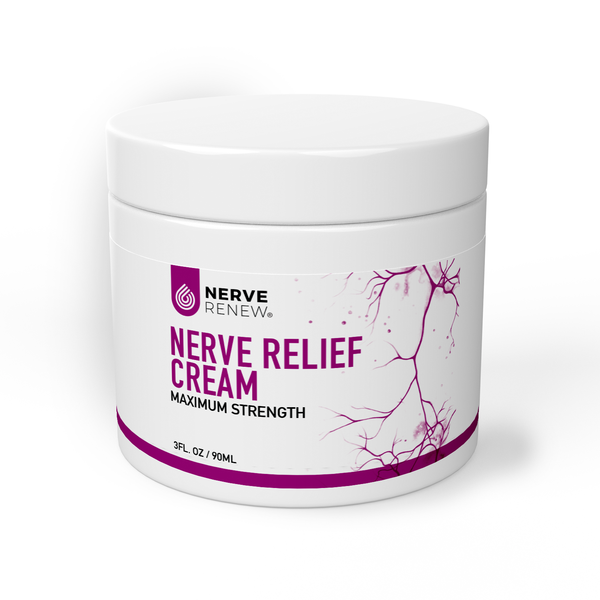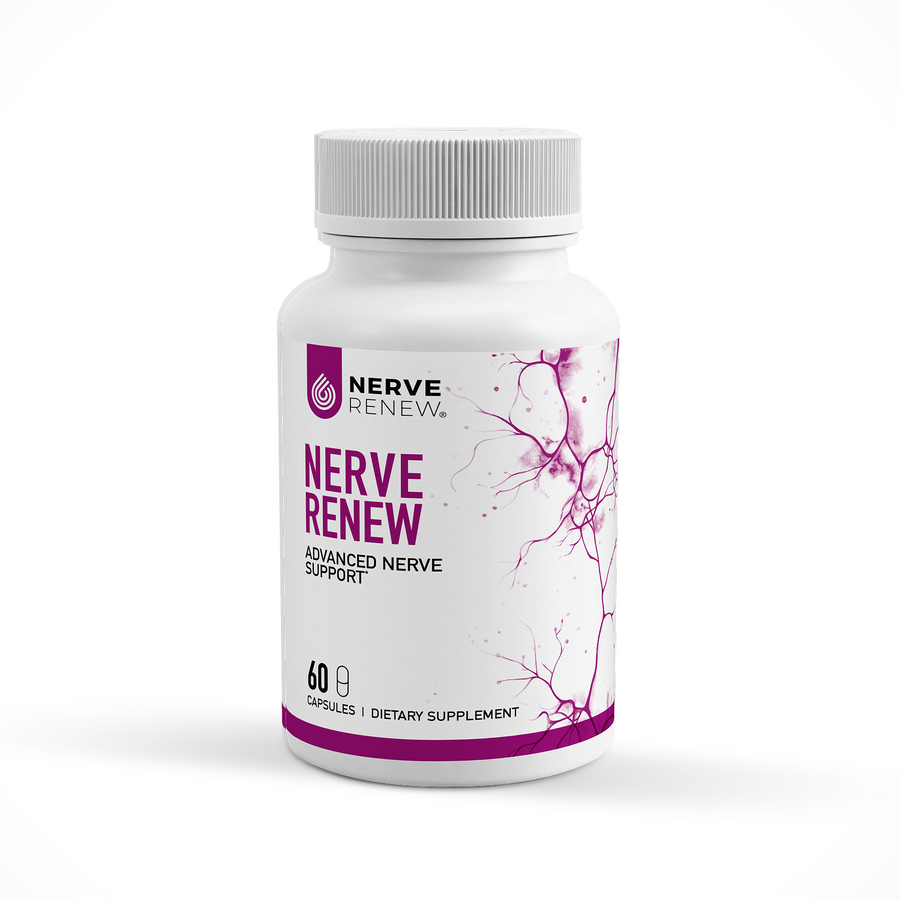
Nerve Renew® Advanced Nerve Support
Our flagship daily formula, built around the nutrients nerves rely on to support healthy nerve function.
Learn more(And the Simple Things That Help)
By Dr. Don Kennedy, DO, Ph.D., MBA, FAAFP
Chief Medical Advisor, Nerve Renew®
Every year around this time, my inbox changes.
The questions stop being about hot pavement and summer swelling. They start sounding like this:
Here’s the short answer. Winter stacks several small stresses on your nerves at the same time. Colder air. Less daylight. Drier skin. Heavier meals. More sitting. Any one of them is manageable. Together, they add up.
The good news is that most of them are things you can do something about.
I’ve put each one below with a plain explanation of what’s going on and what I’d do about it. Read the whole guide, or jump to the part that sounds like you.
When you get cold, your body protects your core by narrowing the blood vessels in your hands and feet. That’s normal. But your nerves depend on that blood flow for oxygen and nutrients, and cold nerves also send signals more slowly.
For nerves that are already irritated, that combination can turn up the tingling, aching or burning.
And sometimes the cold isn’t real. The small fibers that sense temperature can misfire and report “cold” when the skin is actually warm. If your feet feel like ice but are warm to the touch, that’s often what’s going on.
Check with your hand, not your feet. Your hand is the more reliable sensor. Warm to the touch usually means the cold feeling is coming from the nerve signal.
Keep your feet warm before they get cold. Socks and slippers on as soon as you’re up, not after you notice the chill.
Layer from the core out. A warm core means your body is less likely to pull blood away from your hands and feet.
Keep moving. Short walks around the house, ankle circles and toe curls all help bring blood back to your feet.
From November on, most of us get far less sunlight. That matters because your skin makes vitamin D from sunlight, and vitamin D levels commonly drop over the winter.
Research has linked low vitamin D with more nerve discomfort, especially in people with blood-sugar-related nerve problems. Researchers are still sorting out exactly how much it matters, but it’s an easy thing to check.
Shorter days also mean less activity and more time indoors, which brings its own problems (see section 6).
Get outside around midday when you can, even for 15 minutes. That’s when the sun is strongest.
Ask your doctor about checking your vitamin D level, especially if you haven’t had it checked in the last year. It’s a simple blood test.
Don’t start high-dose vitamin D on your own. More isn’t always better. Let your doctor tell you what you need.
Many people tell me their feet can “predict” a storm. The aching or burning picks up a day before rain or snow.
I’ll be honest with you: the research on weather and nerve pain is mixed. Some studies find a connection with drops in air pressure and cold, damp air. Others don’t. But I’ve heard it from enough people that I take it seriously. A likely part of it is simply that stormy days are colder, damper and less active.
When a front is coming, plan a lighter day. Don’t schedule the long shopping trip for the day the storm rolls in.
Keep feet warm and dry. Damp socks pull heat away fast. Change them as soon as they’re wet.
Keep a short note of your bad days. If you see a pattern with the weather, you’ll know it’s coming and won’t wonder whether you’re getting worse.
Furnaces and space heaters dry the air, and dry air dries your skin. On the feet, that means cracks, especially around the heels.
If you have reduced feeling in your feet, a crack can go unnoticed. And a crack is an opening. Small sores on numb feet can turn into bigger problems if no one catches them.
Moisturize your feet every night, but not between the toes, where moisture can lead to fungus.
Look at your feet every day. A mirror on the floor or a family member’s eyes works well. You’re checking for cracks, redness, blisters or anything that wasn’t there yesterday.
Run a humidifier in the bedroom if your home gets very dry.
Drink water. People drink less in winter because they don’t feel thirsty, and your skin feels it.
From Thanksgiving to New Year’s, most of us eat more sugar, more refined carbs and bigger meals than usual. Big swings in blood sugar are hard on nerves, and for people whose nerve problems are related to blood sugar, those swings matter even more.
Alcohol is the other one. It’s directly hard on nerves, and it can drain some of the B vitamins nerves depend on. A drink at a holiday dinner isn’t the issue. A month of extra drinks can be.
Eat protein and vegetables first, then the starches and sweets. The same meal hits your blood sugar more gently in that order.
Take a 10-minute walk after big meals. It’s one of the simplest ways to blunt a blood sugar spike.
Pick your treats. Have the pie you love. Skip the store-bought cookies you don’t.
Keep alcohol light, and don’t let it replace water.
Winter means long car rides to family, long flights, long dinners and long evenings on the couch. When you sit for hours, blood pools in your lower legs and your feet stop sending and receiving much information.
That’s why many people feel worse after a holiday trip than during it. The nerves were quiet for hours, then asked to work all at once.
On car trips, stop every hour or two and walk for a few minutes.
On planes, do ankle circles and toe raises every 30 minutes, and walk the aisle when you can.
At home, set a timer. Get up once an hour during long TV evenings, even just to the kitchen and back.
Wear your regular shoes for travel days, not new shoes or dress shoes. Your feet may not tell you a new shoe is rubbing.
This one matters more than any other section.
When your feet are cold, it’s natural to reach for the heating pad, the hot water bottle, the space heater or a hot bath. But if you have reduced feeling, you may not feel heat that is burning your skin. Every winter, people with numb feet get burns they didn’t feel happening.
Test bath water with your elbow or a thermometer, never your feet.
Keep space heaters several feet from where your feet rest.
Use heating pads and electric blankets on low, with a timer, and never fall asleep on them.
Warm the bed, not your feet. Turn the electric blanket on before bed, then switch it off when you get in.
Tick them off as you go, or print it for the fridge.
The steps above are the foundation, and they cost nothing.
Some people also want nutritional support for their nerves, especially in the months when everything else is working against them. That’s why I helped Wes develop our formulas.
Most of what makes winter harder is stuff you can see coming: the cold, the dark, the food, the long sits. When you plan for it, a lot of the bad days get easier.
Take care of your feet this season.
To your health,
Dr. Don Kennedy
Chief Medical Advisor, Nerve Renew®
This guide is for general education and isn’t a substitute for advice from your own doctor. Talk with your physician before making changes to your diet, supplements or activity, especially if you have diabetes, circulation problems or take prescription medication. These statements have not been evaluated by the Food and Drug Administration. This product is not intended to diagnose, treat, cure, or prevent any disease.